Anxiety and Sleep Apnea: How Sleep Deprivation Affects Mental Health
- breathlinekerala
- Dec 26, 2025
- 5 min read
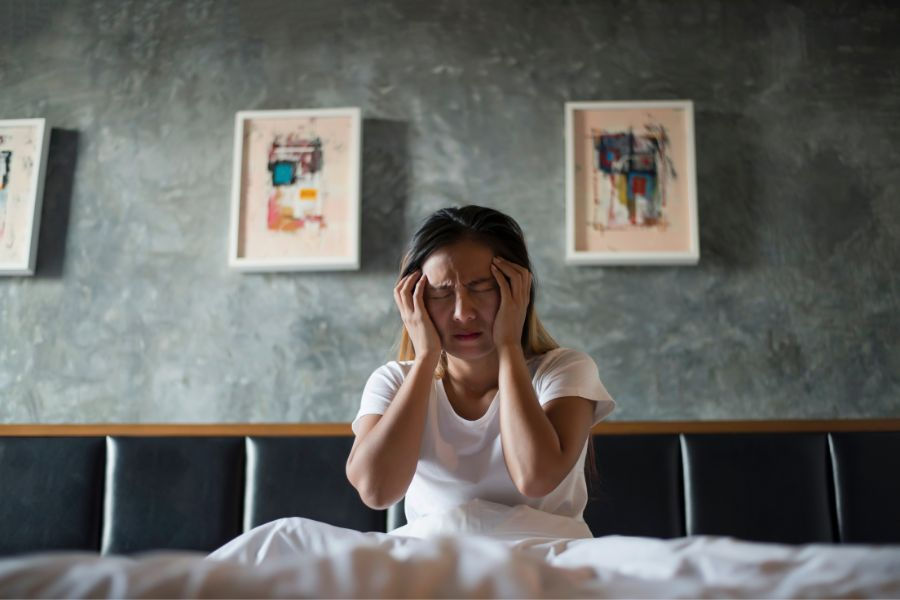
Sleep and mental health are deeply connected—when one suffers, the other often follows. Many people in Kochi struggle with stress, mood swings, or depression without realizing that the underlying cause might be sleep apnea. This breathing disorder not only disrupts nighttime rest but can significantly worsen anxiety and emotional wellness.
At Breathline, a leading center offering holistic care for anxiety and sleep apnea treatment in Kochi, expert clinicians focus on identifying the hidden connections between breathing disturbances and mood disorders to restore both restful sleep and mental calm.
Understanding the Link Between Anxiety and Sleep Apnea
Sleep apnea is a condition where breathing repeatedly stops during sleep, depriving the body and brain of oxygen. This interruption affects the brain’s regulation of stress hormones such as cortisol and adrenaline. Over time, this imbalance can contribute to persistent anxiety, irritability, and difficulty managing emotions.
Patients with both anxiety and sleep apnea often experience a cycle: poor-quality sleep increases anxiety, and anxiety makes falling or staying asleep even harder. Identifying and addressing both conditions together is key to long-term recovery.
What Happens in the Brain?
Sleep apnea causes repeated oxygen drops that trigger the body’s stress response hundreds of times per night. These surges activate the sympathetic nervous system—the “fight or flight” response—keeping the brain on high alert even during rest.
Chronic activation can lead to:
Restlessness, panic episodes, and heightened anxiety.
Overproduction of stress hormones, worsening mood instability.
Difficulty focusing, emotional fatigue, and increased irritability.
How Sleep Deprivation Impacts Mood and Mental Health
Even a few nights of insufficient rest can affect mood, but chronic sleep deprivation resulting from sleep apnea can escalate into diagnosable mental health conditions.
1. Emotional Dysregulation
When sleep is repeatedly interrupted, the brain’s emotional centers—especially the amygdala—become hypersensitive, while the prefrontal cortex (responsible for reasoning) weakens. This imbalance makes emotions harder to regulate, fueling anxious reactions and mood swings.
2. Reduced Stress Tolerance
Sleep loss lowers serotonin and dopamine levels, chemicals associated with calmness and motivation. As a result, people with sleep apnea may feel easily overwhelmed, anxious, or hopeless.
3. Cognitive Decline
Memory issues, lack of concentration, and “brain fog” are common in those with anxiety sleep apnea. These cognitive changes affect work productivity, relationships, and daily decision-making—further increasing emotional distress.
4. Hormonal and Physiological Effects
Disrupted sleep alters cortisol rhythms and increases inflammation in the nervous system. These physiological changes are closely linked to the development of anxiety disorders, depression, and even cardiovascular disease.
Why Anxiety and Sleep Apnea Often Coexist
Multiple studies show that individuals with sleep apnea are more likely to develop anxiety disorders, and vice versa. Several biological and behavioral mechanisms explain this overlap:
Shared Risk Factors
Chronic stress and lifestyle imbalance.
Obesity or airway obstruction contributing to sleep apnea.
Irregular sleep schedules or insomnia caused by anxiety.
Genetic or hormonal imbalances that predispose individuals to both conditions.
Vicious Cycle Effect
Sleep apnea causes fragmented sleep that raises anxiety, while an anxious mind struggles to relax, worsening sleep quality. Without proper anxiety disorder treatment in Kochi, many end up treating symptoms without addressing the root cause—their breathing.
Recognizing the Symptoms
Understanding symptoms helps in early identification of anxiety and sleep apnea treatment in Kochi patients.
Common Signs of Sleep Apnea
Loud, chronic snoring and pauses in breathing during sleep.
Waking up gasping, choking, or with a dry mouth.
Daytime fatigue, morning headaches, and irritability.
Trouble focusing or staying awake during meetings or driving.
Common Signs of Anxiety Related to Sleep Deprivation
Persistent feelings of nervousness or worry.
Muscle tension, restlessness, or dizziness.
Racing thoughts before bed.
Difficulty sitting still or maintaining calm during the day.
If these symptoms sound familiar, seeking professional assessment at Breathline for both breathing and mental health concerns can provide clarity and relief.
Diagnosis: Looking Beyond the Surface
At Breathline, patients undergo a comprehensive evaluation combining sleep analysis and anxiety disorder assessment. Clinical specialists review sleep patterns, oxygen levels, and emotional health to uncover interrelated symptoms.
Key diagnostic tools may include:
Polysomnography (sleep study): Measures oxygen levels, airflow, and brain activity during sleep.
Psychological evaluation: Identifies underlying anxiety patterns, triggers, and associated conditions.
Airway evaluation: Examines structural causes such as narrow nasal passages or jaw alignment issues that contribute to breathing obstruction.
This combined approach helps design targeted treatments that address both the cause and effect of anxiety and sleep apnea.
Breathline’s Integrated Approach: Treating Both Mind and Body
Breathline stands out for its personalized, airway-focused treatments that consider how physical breathing disorders and psychological stress interact. Their approach combines anxiety disorder treatments in Kochi with modern sleep apnea care.
Step 1: Address the Airway
Breathline specialists assess the upper airway to determine if obstruction, nasal issues, or structural narrowing is contributing to interrupted sleep. Treatments may include advanced airway therapy, oral appliances, or lifestyle modifications that promote healthy breathing dynamics.
Step 2: Manage Anxiety and Mental Health
Parallel to airway treatments, Breathline’s team provides comprehensive anxiety treatment in Kochi, focusing on:
Mindfulness and relaxation training.
Cognitive-behavioral therapy (CBT) for anxiety reduction.
Breath regulation techniques to decrease hyperventilation and panic responses.
Medication or natural alternatives when clinically indicated.
Step 3: Long-Term Support
Patients receive a follow-up plan that tracks improvement in sleep quality, anxiety symptoms, and daily functioning. This integrated method helps restore both mental and physical balance.
Preventive Lifestyle Measures
Small lifestyle changes can make major differences in breaking the anxiety–sleep apnea cycle:
Prioritize sleep consistency: Maintain a regular bedtime routine.
Limit caffeine, nicotine, and alcohol: These substances interfere with both sleep quality and anxiety control.
Exercise regularly: Moderate activity promotes deep sleep and reduces cortisol levels.
Breathing and mindfulness exercises: Strengthen airway muscles and calm the nervous system before bed.
Manage stress proactively: Journaling, yoga, or guided therapy can help keep anxiety in check.
When to Seek Professional Help
If you suspect that poor sleep is worsening your anxiety—especially if you snore, gasp, or feel fatigued during the day—it’s important to consult a certified professional. Waiting too long can allow both conditions to intensify.
Breathline’s team of clinicians specializes in anxiety and sleep apnea treatment in Kochi, ensuring you receive tailored treatments for both physical and emotional well-being. Early intervention can help reverse symptoms, restore quality sleep, and improve daily mood stability.
Take a Step Toward Better Sleep and Peace of Mind
Sleep-disordered breathing and mental health are two sides of the same coin. When one improves, the other follows. If you’re struggling with racing thoughts, restless sleep, or daytime fatigue, it’s time to assess whether anxiety sleep apnea is the underlying cause.
At Breathline, expert clinicians offer medically guided, customized anxiety disorder treatments in Kochi designed to help you breathe, rest, and live with renewed energy and calm.
FAQs
1. Can sleep apnea cause anxiety?
Yes. Sleep apnea repeatedly activates the body’s stress system at night, raising cortisol levels and increasing anxiety symptoms over time.
2. Can anxiety worsen sleep apnea?
Absolutely. Anxiety causes muscle tension and irregular breathing patterns, making it harder for the body to relax into stable sleep. Treatment for both is often necessary.
3. How do I know if I have anxiety-related sleep apnea?
If you feel restless, anxious, or short of breath during the night and experience daytime fatigue or irritability, you should undergo a professional sleep study.
4. Can anxiety improve once sleep apnea is treated?
Yes. Many patients report reduced anxiety and depression after consistent sleep apnea treatment, as oxygen and rest levels normalize.
5. Are medications required for treatment?
Not always. Breathline focuses on holistic anxiety disorder treatment in Kochi, incorporating behavioral and airway therapies before suggesting medication.
6. What makes Breathline different?
Breathline’s approach integrates psychological and physical care. By addressing airway health and emotional well-being together, it delivers long-lasting improvements in both anxiety and sleep quality.


Comments